
←
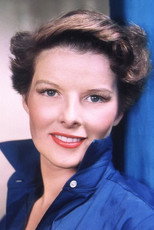
Meet Katharine Hepburn
★ Acting🎥 99 films📺 11 TV shows📅 1932–2025🔥 1
Also known as: Katherine Hepburn, Kate Hepburn, Katie Hepburn, Кетрін Хепберн
Born in Hartford, Connecticut, USA
1907-05-12 (age 96 at death)
Died 2003-06-29
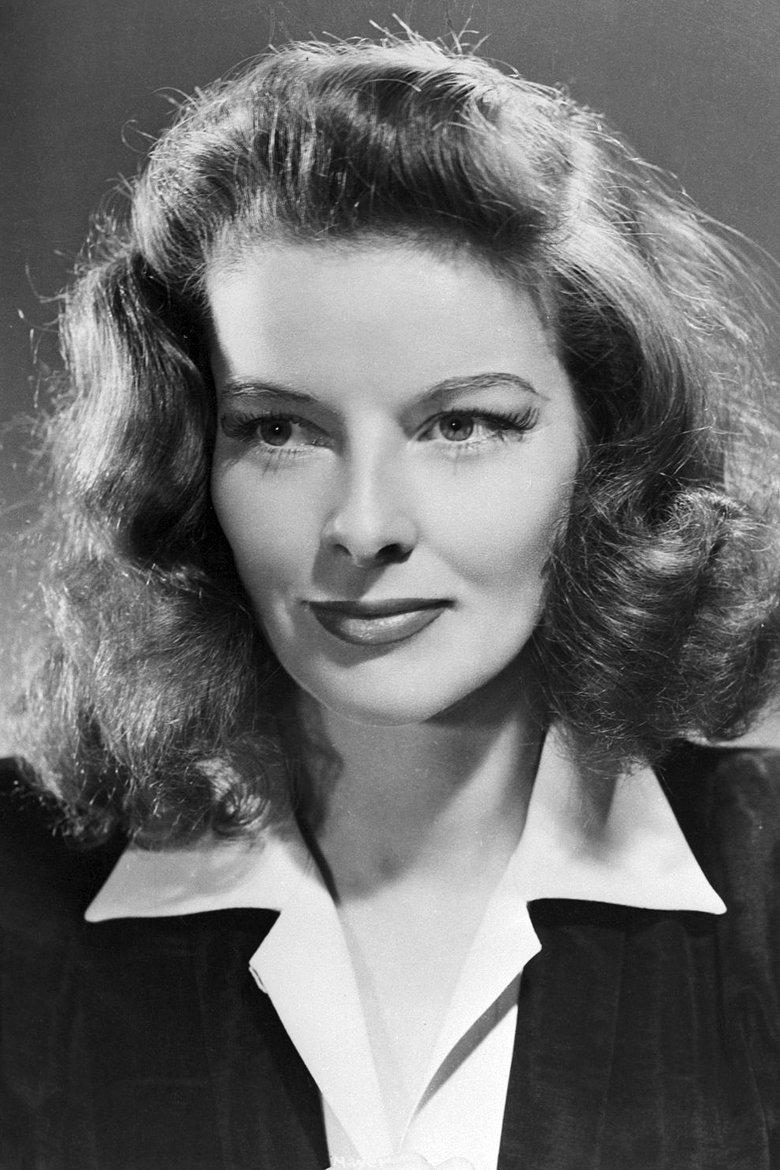
Katharine Houghton Hepburn (May 12, 1907 – June 29, 2003) was an American actress of film, stage, and television. A recipient of a record four Academy Awards and an Emmy Award, she was ranked as the greatest female star in the history of American cinema by the American Film Institute. She was best known for her sophisticated, headstrong and outspoken screen persona that she cultivated through roles in a variety of film genres — from screwball comedies to literary dramas. Apart from her acclaimed acting and distinctive voice, her impact extended to fashion as well as she helped make wearing pants more socially acceptable for women.
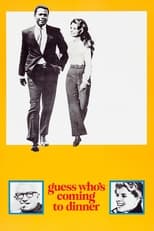
Throughout her six-decade career, Hepburn's work in stage, film, and television brought her much acclaim — including twelve Academy Award nominations, six Emmy Award nominations, eight Golden Globe Award nominations, and two Tony Award nominations. She co-starred with screen legends like Cary Grant, Humphrey Bogart, John Wayne, Laurence Olivier and Henry Fonda and performed in plays written and directed by notable playwrights and directors. Her most successful film pairing was with Spencer Tracy, with whom she made multiple hit pictures. The last of their 9 films together was Guess Who's Coming to Dinner (1967), which was completed shortly before Tracy's death. Her many performances on the stage included plays by Shakespeare and Shaw, and a Broadway musical. She passed away from cardiac arrest on 29 June 2003 at her family home in Connecticut and since then, has been honored with several memorials.
From Wikipedia
Katharine Houghton Hepburn (May 12, 1907 – June 29, 2003) was an American actress whose career as a leading lady on stage and screen spanned six decades. Known for her headstrong independence, spirited personality, and outspokenness, she cultivated a screen persona that matched this public image, and regularly played strong-willed, sophisticated women. She worked in a varied range of genres, from screwball comedy to literary drama. Her accolades include a record four Academy Awards for Best Actress, two British Academy Film Awards and a Primetime Emmy Award, in addition to nominations for two Tony Awards, two Grammy Awards and eight Golden Globe Awards.
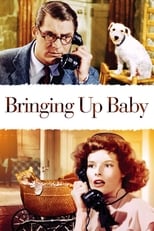
Raised in Connecticut by progressive parents, Hepburn began to act while at Bryn Mawr College. Favorable reviews of her work on Broadway brought her to the attention of Hollywood. Her early years in film brought her international fame, including an Academy Award for Best Actress for her third film, Morning Glory (1933), but this was followed by a series of commercial failures culminating in the critically lauded box office failure Bringing Up Baby (1938).
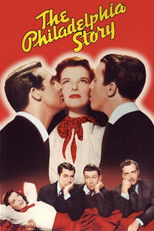
Hepburn made a comeback by buying out her contract with RKO Radio Pictures and acquiring the film rights to The Philadelphia Story, which she sold on the condition that she be the star. That comedy film was a box office success and landed her a third Academy Award nomination. In the 1940s, she was contracted to Metro-Goldwyn-Mayer, where her career focused on an alliance with Spencer Tracy. The screen partnership spanned 26 years and produced nine films.
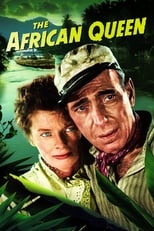
In the latter half of her life, Hepburn acted in Shakespearean stage productions and a range of literary roles. She found a niche playing mature, independent, and sometimes unmarried or widowed women such as in The African Queen (1951), a persona the public embraced. Hepburn received three more Academy Awards for her performances in Guess Who's Coming to Dinner (1967), The Lion in Winter (1968), and On Golden Pond (1981). In the 1970s, she began appearing in television films, which later became her focus. She made her final screen appearance at the age of 87. After a period of inactivity and ill health, Hepburn died in 2003 at the age of 96.
Hepburn is famous for having shunned the Hollywood publicity machine, and for refusing to conform to societal expectations of women. She had a reputation for being outspoken, assertive, and athletic, and wore pants before it was fashionable. She married once, as a young woman, but thereafter lived independently. With her unconventional lifestyle and the independent characters she brought to the screen, Hepburn came to epitomize the "modern woman" in 20th-century America and influenced changing popular perceptions of women. In 1999, she was named the greatest female star of classic Hollywood cinema by the American Film Institute.Web: Not available
Highest Rated Films



Powered by TMDB. © MyMovieScripts.com. All Rights Reserved. Make your videos interactive|Built by  TouchPoint.Video
TouchPoint.Video